UHI Inverness study explores potential for UK-wide Conservation Translocations Information Hub
A new collaborative study led by Institute for Biodiversity and Freshwater Conservation (UHI Inverness) has highlighted the potential benefits of creating a UK-wide online information hub to support conservation translocations – the deliberate movement of species for conservation purposes.
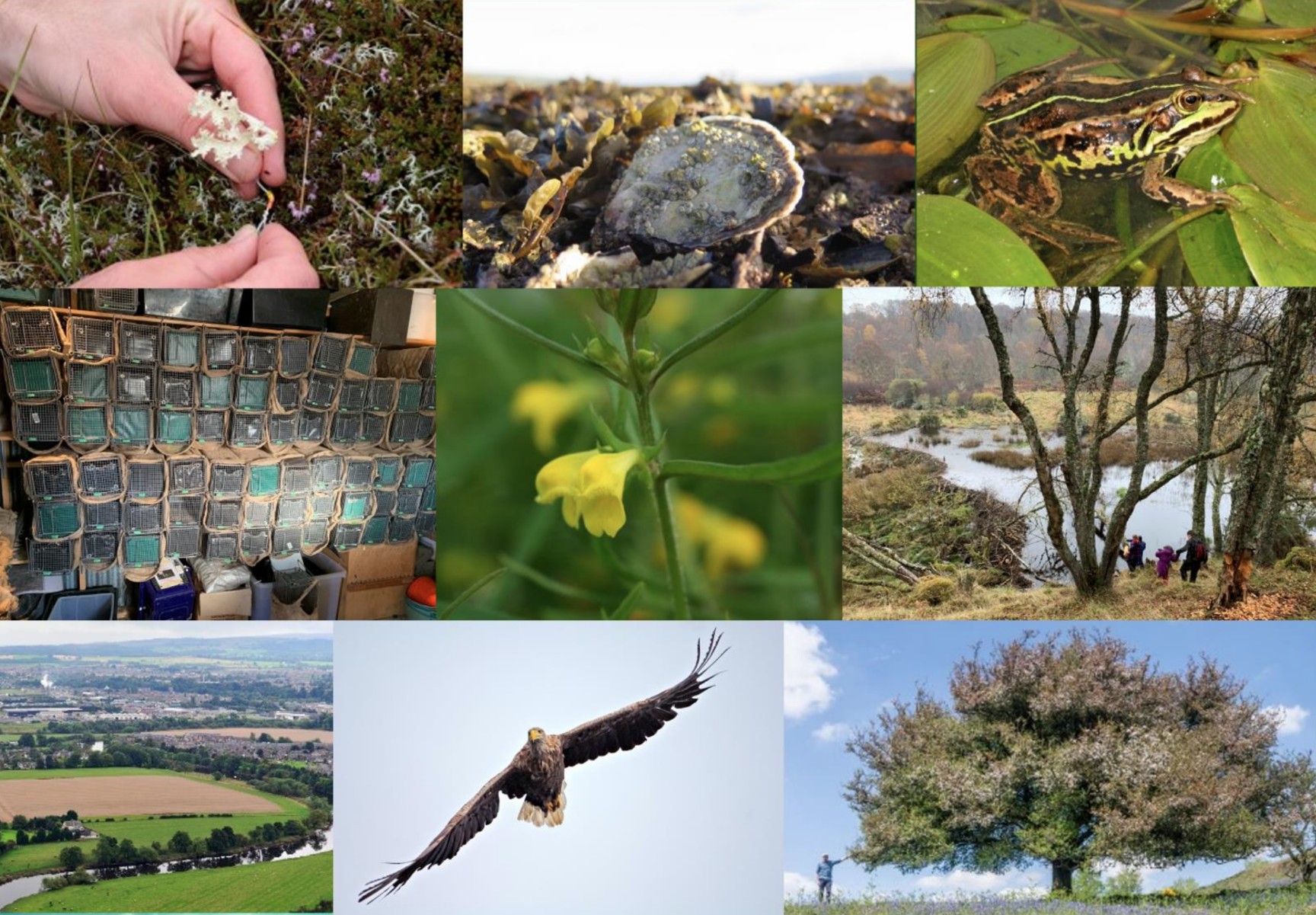
Conservation translocations are playing an increasingly important role across the UK in tackling biodiversity loss, restoring ecosystems and supporting nature recovery. When carefully planned and delivered, these projects can provide significant ecological and societal benefits. However, poorly designed or poorly governed translocations can create biological risks, social conflict, regulatory challenges and a loss of public confidence.
Although guidance is available through international and national frameworks, including the IUCN Guidelines and the Scottish and English Codes for Conservation Translocations, the wider evidence base that informs decision-making remains fragmented, inconsistent and difficult to access.
To explore how this could be improved, researchers from Institute for Biodiversity and Freshwater Conservation (UHI Inverness) and the Royal Botanic Garden Edinburgh (RBGE) carried out a scoping study to assess the feasibility, desirability and potential challenges of establishing a UK-wide Conservation Translocations Information Hub.
The study was undertaken in collaboration with Natural England on behalf of the England Species Reintroduction Taskforce. The proposed hub would bring together guidance, evidence, case studies and practical resources in a single, accessible location, helping practitioners, regulators, researchers and policymakers make informed decisions about conservation translocations.
The research comprised three key elements:
- A UK-wide online stakeholder survey to gather views from the conservation community.
- Interviews with managers of existing conservation information hubs to identify good practice and lessons learned.
- An assessment of the technical and operational requirements for developing and maintaining an online information hub.
The project was led by Dr Martin Gaywood and Dr Matthew Curran from IBFC (UHI Inverness), working alongside Dr Aline Finger from the Royal Botanic Garden Edinburgh.
The findings provide an important evidence base for considering the future development of a UK-wide resource that could improve knowledge sharing, support best practice and strengthen collaboration across the conservation sector.
Explore the full findings by downloading the Conservation Translocations Information Hub – Final Report (23 June 2026) below:
CT Information Hub - Final report - 23 June 2026.pdf
Partners