Holiday Toolkit (Out of Hours)
Advice
We recognise some students may need support over the holidays or when our campuses are closed. This toolkit will provide some useful signposts to help you. Please do not suffer in silence. There is support out there for you.
Spectrum Life, our Student Assistance Programme
Unlimited access to a telephone helpline, 24/7, 365 days a year
Offering help and support in managing whatever personal, study or work issues you are facing
- UK: 0800 031 8227
- WhatsApp / SMS: 00353 87 369 0010
- Zen chat (online chat) through the portal if you are struggling to pick up the phone : Spectrum Life Organisation code - uhiwell
- Available as an app from your app store – with access to lots of additional wellbeing content:
ALISS
ALISS is a national digital programme enabling people and professionals to find and share information on resources, services, groups, and support in their local communities and online.
We hope you have an enjoyable, safe break and look forward to welcoming you back after the holidays.
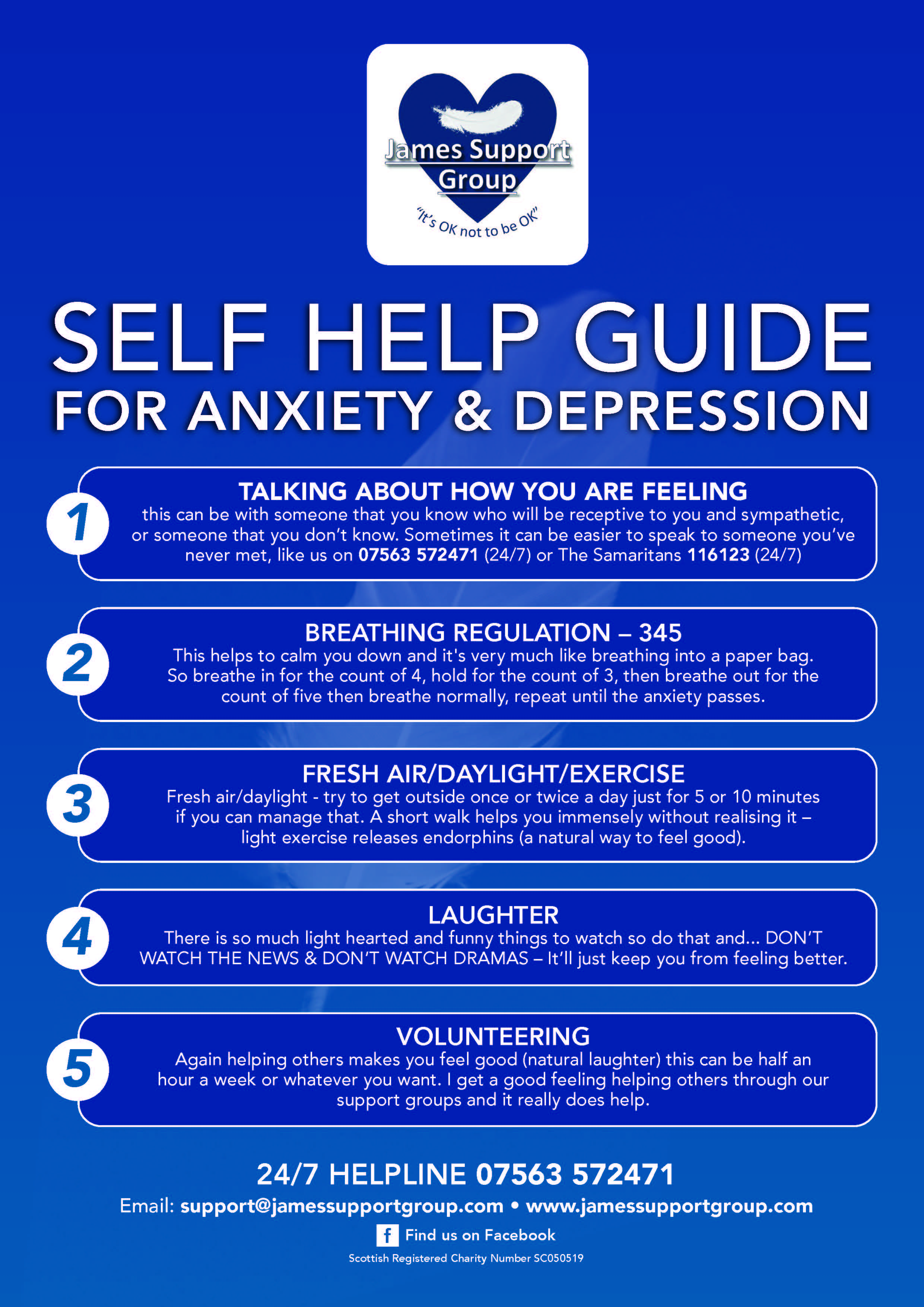
James Support Group
Emergency support
Emergency support
If you're in immediate danger of hurting yourself or others:
- Go directly to the Accident & Emergency (A&E) department of your local hospital to get help.
- Call 999 to request an ambulance if you are unable to reach the hospital yourself
If you're feeling distressed and need urgent support:
- Contact your GP surgery to request an emergency appointment
- If your GP surgery isn't open, call the free NHS out-of-hours medical line on 111 for help accessing the right services or contact NHS 111 via their website
- You can call the Samaritans on 116 123 to talk to someone at any time, day or night
- James Support Group have a 24/7 Helpline the number is 07563 572471.
- Free, confidential, 24/7 support is available by text message. Text ‘shout’ to 85258 or visit giveusashout.org for more information.
- text Mikeysline for support
- information on anxiety, low mood, stress and where you can get help from NHS
For more information visit our emergency support pages.
Care experienced students
Care experienced students
The Who Cares? Scotland Helpline is a lifelong offer open to Care Experienced people of any age across Scotland.
What does ‘Care Experienced’ mean?
The term Care Experienced refers to anyone who has been or is currently in care or from a looked-after background at any stage in their life, no matter how short, including adopted children who were previously looked-after. This might include kinship care; looked after at home; residential care; foster care; secure care; or adoption.
What is the helpline?
The Helpline is open 12 noon to 4pm from Monday to Friday. We can be contacted by phoning 0330 107 7540 or emailing help@whocaresscotland.org
The Helpline offers the following:
- Connection with Who Cares? Scotland
- Support and signposting around finances, benefits, housing, health, employment, education, and rights
- Lifelong advocacy
- A listening ear
Highlands & Islands - Barnardo's Works Best | Barnardo's (barnardos.org.uk)
Who Cares? Scotland
Barnardo's
We have our Anchor service in the city centre. It is for 13-18 year olds.
The Anchor is a safe space for young people, if you need somewhere to go/ someone to talk to, we can make you a hot meal / drink and it is open from 3pm until 10:30pm Monday/Wednesday/Friday and Saturday.
Tel or text: 07747345412
email: anchorhighland@barnardos.org.uk
1st floor, highland rail house, station square, inverness
Students who are carers
Students who are carers
Carer Support Line 01463 723560
Connecting Carers Office 01463 723575
Email carers@connectingcarers.org.uk
Connecting Carers - Connecting Carers & Connecting Young Carers
Estranged students
Estranged students
Supporting estranged students in higher education (standalone.org.uk)
An advice centre for students who have no contact with their family. Find information about support, financing your studies and accommodation options as an estranged student.
Foodbank information
Foodbank information
Find Your Nearest Foodbank Highland Foodbank.
The app too good to go is great locally
Check out if your town or village has a community fridge
Safety information
Safety information
It is important to consider your personal safety. From securing your home, and taking care when out socialising, to protecting yourself when online, Police Scotland have created a range of advice to help you enjoy the festive season safely.
More safety information and tips can be found on the Highlands and Island Police Division Facebook page or on the Police Scotland webpage.
Gender Based Violence - #ItsNotOn
Gender Based Violence - #ItsNotOn
UHI Inverness believes that all violence and harassment is not acceptable. We are committed to tackling violence and harassment and believe staff and students have the right to live and study in a safe and supportive environment. Sexual Violence and Harassment comes in many forms. It can be physical, emotional, and verbal – anything that makes another person feel uncomfortable or intimidated. We believe that you should never have to put up with violence or harassment. You should never be made to feel uncomfortable by another individual.
Wherever you may be learning, whether its online or on campus as a student of UHI Inverness we can help you to access the support you might need such as wellbeing & counselling services, study support, accommodation support or financial assistance.
Our student code of conduct clearly states that Gender Based Violence is unacceptable in any environment.
Our staff take care not to share person-identifiable information on protected characteristics without consent (e.g 'outing' LGBTQ people; disclosing pregnancy status)
GBV is NEVER the fault of the victim / survivor and we will not victim-blame, we will listen and we can help.
In instances where students who disclose or report any form of GBV, they will not face disciplinary action for breaching other UHI Inverness policies relating to: drug consumption, underage consumption of alcohol, academic misconduct, any pandemic (lockdown) policies should they be applied. This applies in cases where any breach relates directly to GBV.
We respect that you may ask to speak to a specific member of staff instead (or staff of a particular gender, race, religion or sexuality, for example). We are happy to try and locate another staff member of your choosing and accommodate this request where possible.
You can report any issues seen or experienced to the Student Support Team
You can view our for more information
You can view more support information and our online reporting tool on our gender based violence information pages
Information for parents
Information for parents
Some activities
- Make sure to get some good sleep
- If you are stressed do some breathing
- you can use the worry tree or some coping cards
- you can get some relaxation in or some animal relaxation
- get a workout in with the 7 minute animal workout
- and out favourite technique for the wole family is the 5 senses
Families and technology
Online safety advice
Set Up Devices First
Before wrapping up a new device, take time to explore its parental safety
features. These may include options to limit access to online chat, set time
limits, and apply age restrictions—especially if the device will be shared
among different age groups at home. Doing this in advance means the gift is
ready to use safely from the start.
Internet Matters – Guides for setting up devices safely
Childnet – Practical advice for parents and carers
Common Sense Media – Reviews and guidance for all media including
A parents and carers guide to Black Friday and giving tech gifts this
Christmas - UK Safer Internet Centre
Create a Family Agreement
Before enabling parental controls, talk to your young person about why
these settings are important. Consider creating a Family Agreement that
outlines expectations for online behaviour and safety. This agreement can
evolve as your child grows and provides a framework for discussing issues
like reporting and blocking profiles that make them uncomfortable—without
fear of losing access to the device.
NSPCC Online Safety – Tips for creating family agreements
Thinkuknow – Age-appropriate resources for talking about online safety
Use parental controls to manage your child's iPhone or iPad - Apple Support
Family Link from Google - Family Safety & Parental Control Tools
Teaching about healthy online relationships (SEND) | Childnet
Have a conversation | Childnet
Young drivers drink & drug-driving campaign assets
Power of an exit plan presentation
Children First
At Children First we stand up for every child because all children should have a safe childhood. We protect children from harm, keep them safe and support them to recover from trauma and abuse through our national support line and in their homes, schools and communities.
Children First support line offers free emotional, practical and financial support to families across Scotland.
Call free on 08000 28 22 33 or start a webchat at www.childrenfirst.org.uk/supportline
Further information and resources are available at www.childrenfirst.org.uk. You can also request printed materials to display in your community by emailing: communications@childrenfirst.org.uk
Money advice
Money advice
Where to get help
- Your local Citizen's Advice Bureau
- Payplan
- National Debtline
- Business debtline
- Money Advice Service
- StepChange
Citizens Advice Bureau
The Citizens Advice service helps people resolve their legal, money and other problems by providing free, impartial, independent and confidential advice.
- Telephone: 0808 800 9060
- Find your local bureau
- Get free advice
Welfare support
Are you missing out on benefits you might be entitled to, or needing support with money matters or personal budgeting advice? Get in touch for free confidential help and advice.
- Telephone: 0800 090 1004
- Email: welfare.support@highland.gov.uk
What We Do - Changeworks They provide advice, information and support to help householders to save energy, be affordably warm and access financial support. This is delivered via their Affordable Warmth service, which provides energy advice and support to people in fuel poverty.
Scottish welfare fund
The Scottish Welfare Fund helps families and people in Scotland who are on low incomes.
0800 083 1887
You can apply for a:
- Crisis Grant – if you're in crisis because of a disaster (like a fire or flood), or an emergency (like losing your money or job, or an unexpected expense)
- Community Care Grant – to help you or someone you care for to start to live, or to carry on living, a settled life in the community
You must be 16 or older and on a low income, or getting certain benefits, to apply for these grants